
Osteopathy is a holistic manual practice that is founded on the philosophy that the body a dynamic unit of function, it is self-healing and self-regulating, and your structure and function are reciprocally interrelated.
Diagnosis and treatment are both done via manual palpation/movement and are dictated by the motion capability of the tissues and joints collectively. It was founded by American Physician, Dr. A.T. Still, in 1874. He realized that the body has an intrinsic ability to heal and should not rely on medication to function. He also noticed that there were structural connections to the physiological symptoms and that if these structural dysfunctions were corrected, then the symptoms would alleviate, and the body could heal itself.
Something unique to Osteopathy is that we are increasing your body’s ability to function and heal on its own. We are technically not doing the work, your body is, and we are just facilitating the ability for your body to heal. Treatment is also dosed. You will notice that even as a new patient, I likely won’t be having you come in three times a week unless it’s a severely acute injury that requires more attention. As treatment progresses, time between visits will increase. The end goal is to have you function independently and not rely on treatment to get through your days.
Osteopaths use manual therapy to facilitate the natural healing capabilities of the body, strengthen the overall framework, and provide stability within all systems of the body. The body is self healing and self regulating, and your structure and function are reciprocally interrelated. We use manual techniques to adjust the skeletal framework, remove obstruction to the skin, muscles and fascia connecting all of it, to allow for proper blood supply and nerve supply to all parts. When this is accomplished, the body is then able to heal itself.
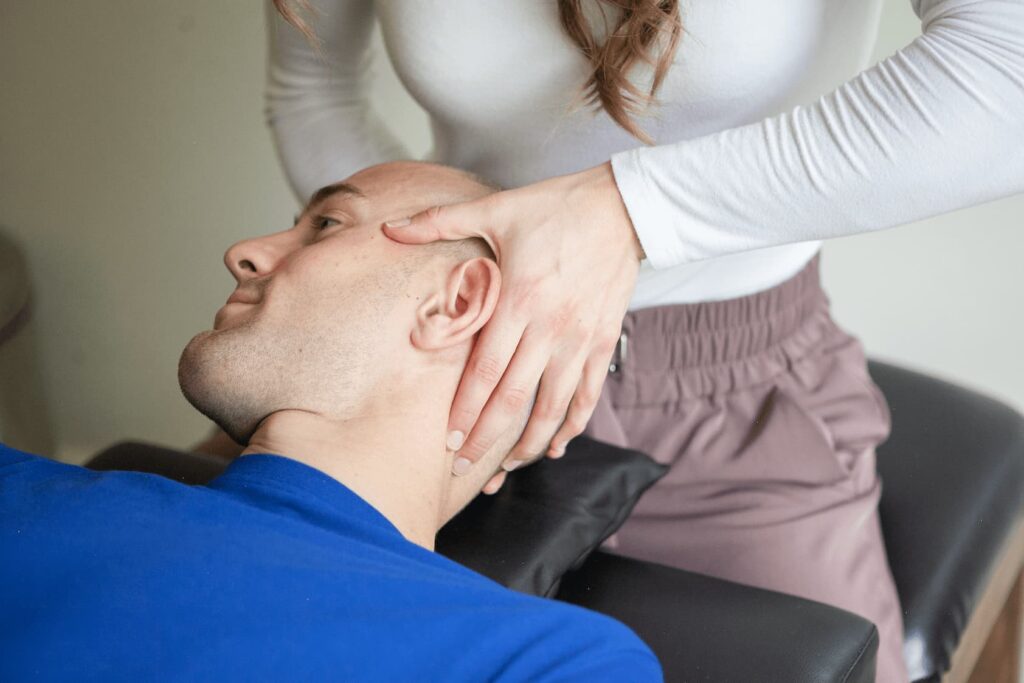
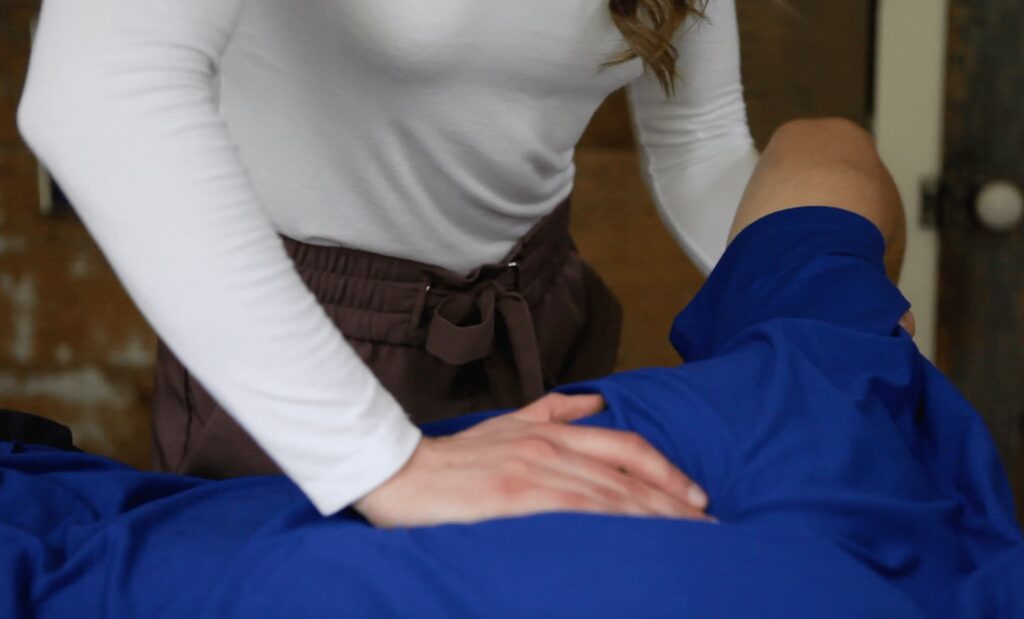
Whether it’s low back pain, headaches, or that tension that never quite goes away, osteopathy addresses the root causes of discomfort — not just the symptoms — so you can move with more ease and less tension every day.
Osteopathy supports mobility, recovery, and long-term performance by optimizing how your body moves and functions. Whether you train hard or simply want to feel your best, this is proactive care for an active life.
From sudden sprains and strains to injuries that keep coming back, osteopathic treatment supports the body’s natural healing process and helps prevent future flare-ups through structural alignment and functional balance.
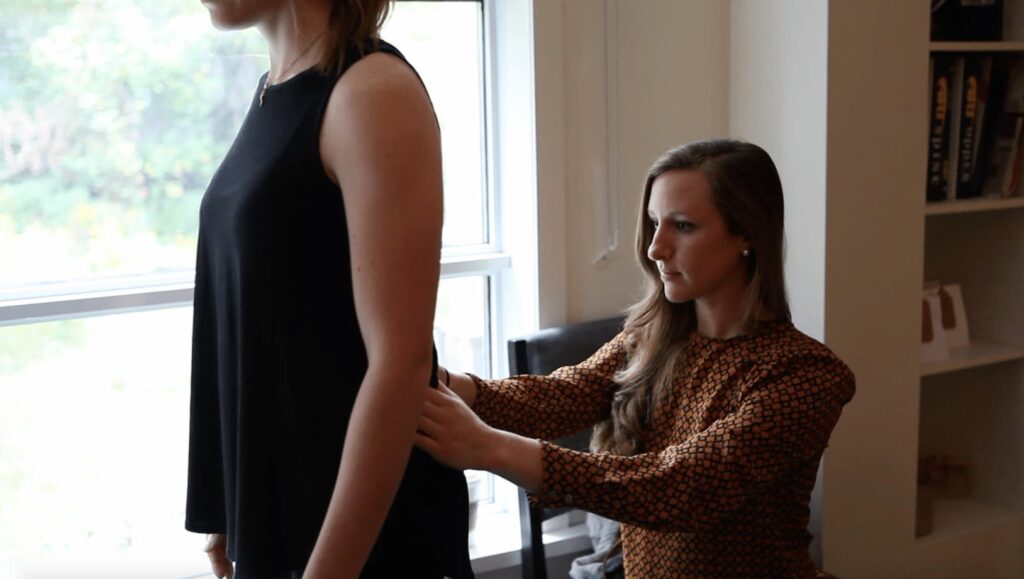
Poor posture isn't just about how you look — it affects how your whole system functions. Osteopathy helps realign the body’s framework so you can feel stronger, more supported, and less fatigued throughout your day.
You don’t have to wait for something to go wrong. Osteopathy offers a proactive, whole-body approach to wellness that supports your health long before symptoms show up — and long after they’re gone.
Every body tells a story. And in my practice, your story guides the treatment — not the other way around.
I don’t follow one-size-fits-all routines or treat based on symptoms alone. Instead, I look at how your body is adapting, where it’s holding tension, and what’s keeping it from moving freely. Sometimes that means working directly with the site of pain — often it means addressing the deeper patterns beneath it.
I’ve spent years studying how structure, function, and the nervous system interact. What I’ve seen — again and again — is that healing happens when the body feels safe, supported, and heard. My work is to create the conditions for that healing to take place.
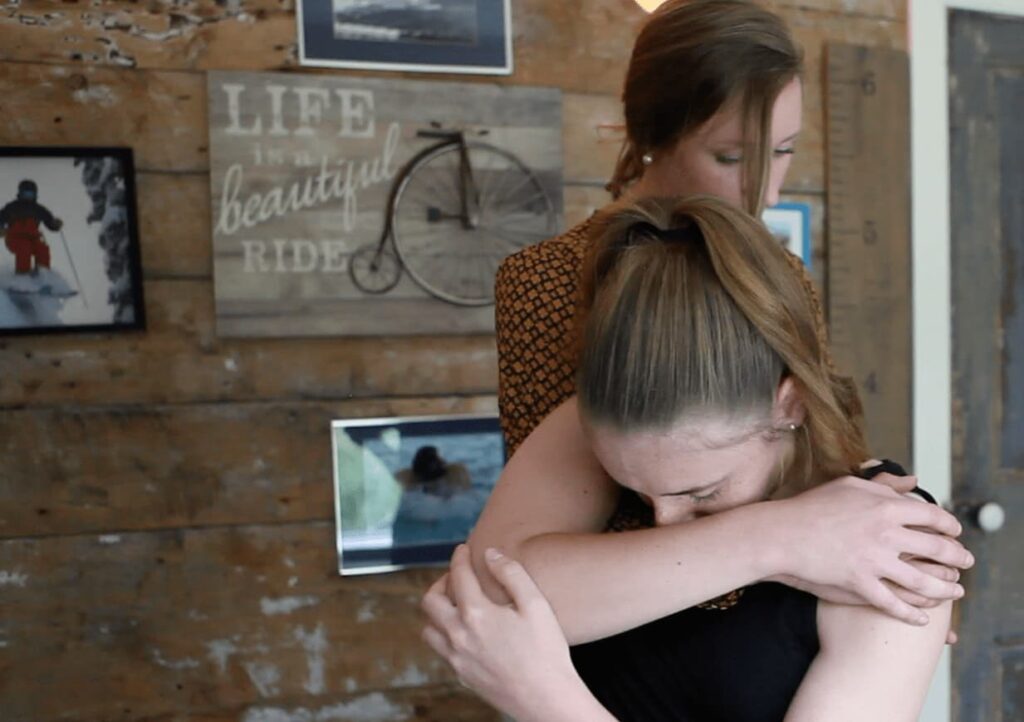
This means tuning in. Listening through my hands. Making space for both the physical and emotional layers that shape your experience.
Whether you’re navigating injury, stress, or a lifetime of compensations, my approach is simple: respond to what your body needs — and nothing more. Support your system’s own intelligence. Let it do what it was designed to do: heal.